
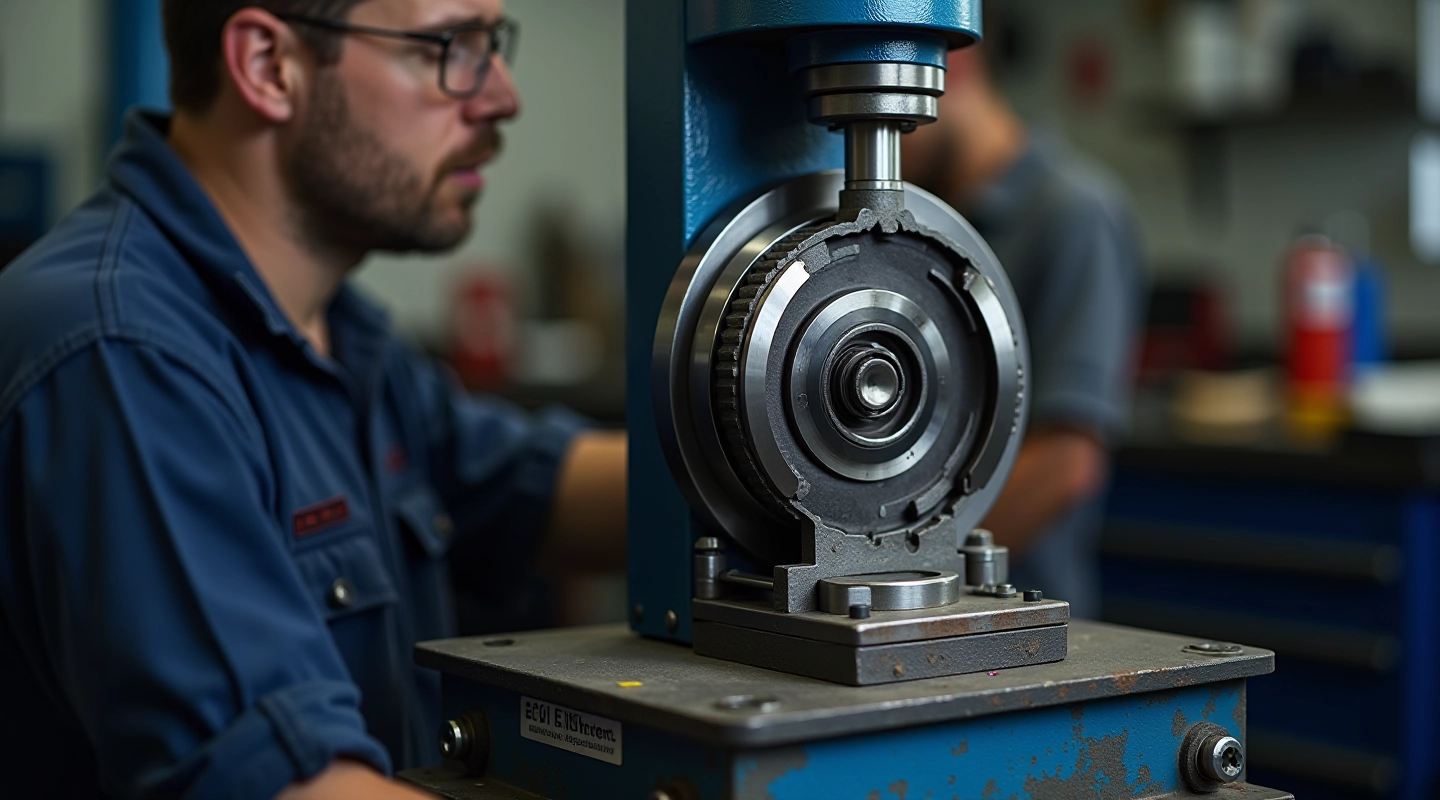
Bearing Press Setup and Pressure Settings
Learn how to prepare your bearing press correctly and set the right pressure for different bearing sizes without causing damage.
Read GuideProfessional front wheel bearing press and hub assembly replacement services in Šiauliai
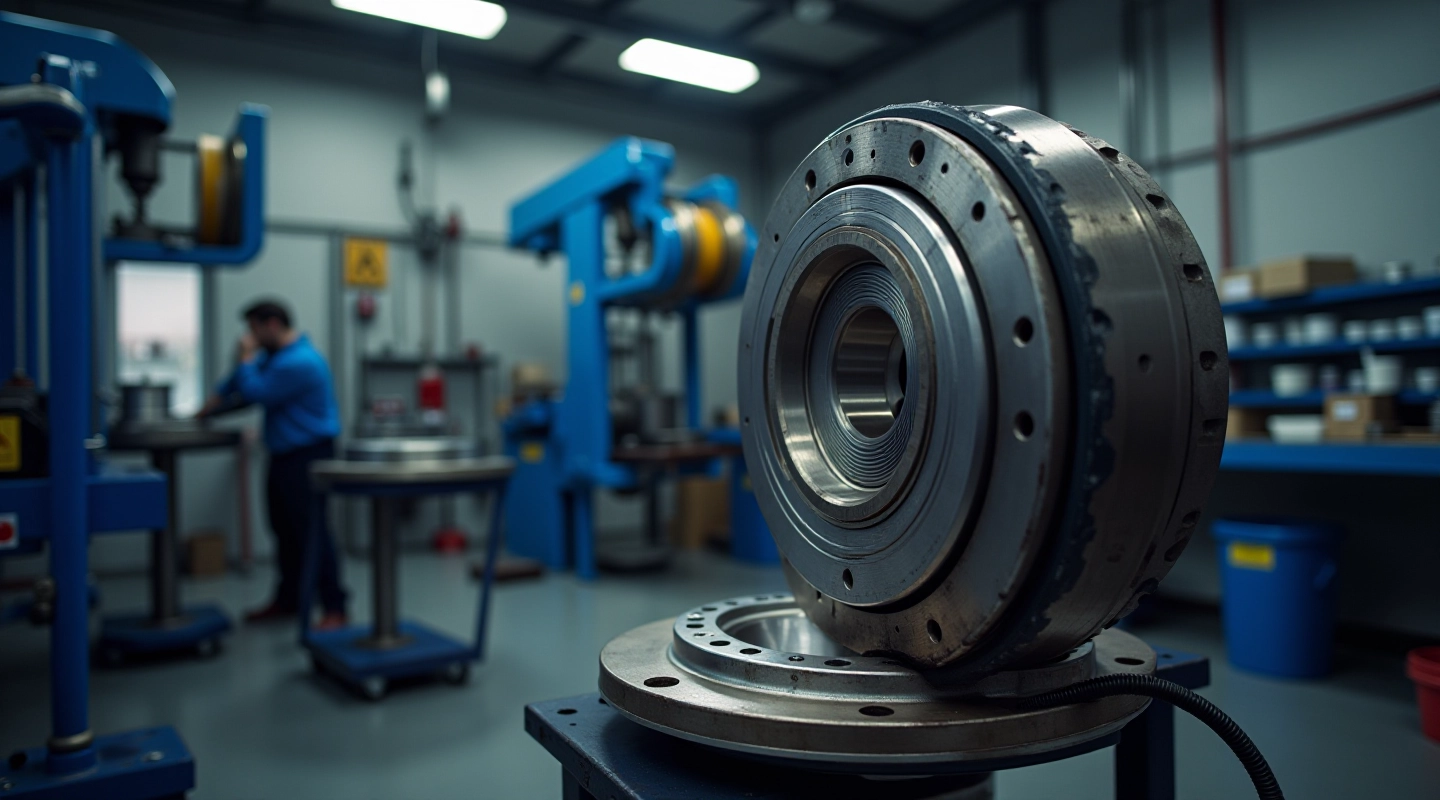
We're specialists in front wheel bearing replacement and hub assembly work. Our workshop has been serving the Šiauliai community since 2021, focusing on precision work that keeps vehicles safe on the road.
Every bearing press operation requires exact pressure settings, proper alignment, and quality verification. That's where attention to detail matters. We don't rush through bearing replacements — we take the time to do it right. Our technicians understand the importance of proper installation, from initial hub removal through final verification tests.
We focus on the details that others overlook
We calibrate bearing press machines to exact specifications. Wrong pressure damages bearings. Right pressure ensures smooth operation and longevity. Our setup process accounts for bearing size, material, and vehicle requirements.
Hub assembly removal isn't just unbolting parts. It involves brake system disconnection, proper axle support, and careful handling. We follow proven procedures that prevent damage to suspension components and reduce the risk of complications during reassembly.
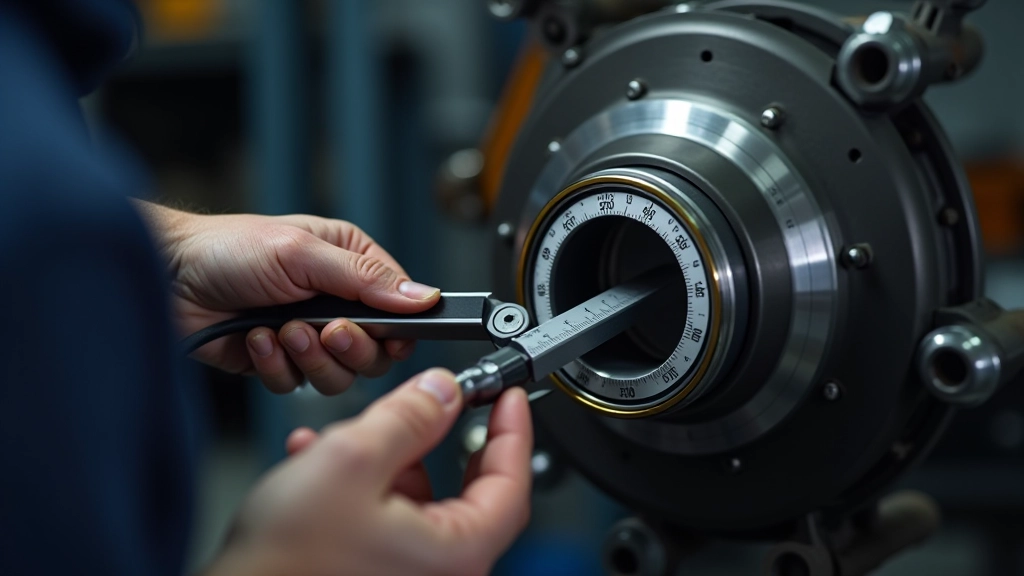
Installation quality determines bearing lifespan. We test bearing rotation smoothness, check for noise, measure clearance with precision instruments, and verify alignment. These checks catch problems before the vehicle leaves the workshop.
Bearing press operations carry real risks — high pressure, moving equipment, heavy components. We've built safety into every procedure. Proper guarding, correct lifting techniques, and equipment maintenance protect both our team and your vehicle.
Understanding the complete process from assessment to verification
We inspect the bearing condition and determine what needs replacement. Then we prepare the vehicle, disconnect brake lines, support the suspension properly, and get everything ready for hub removal. Preparation takes time but prevents mistakes.
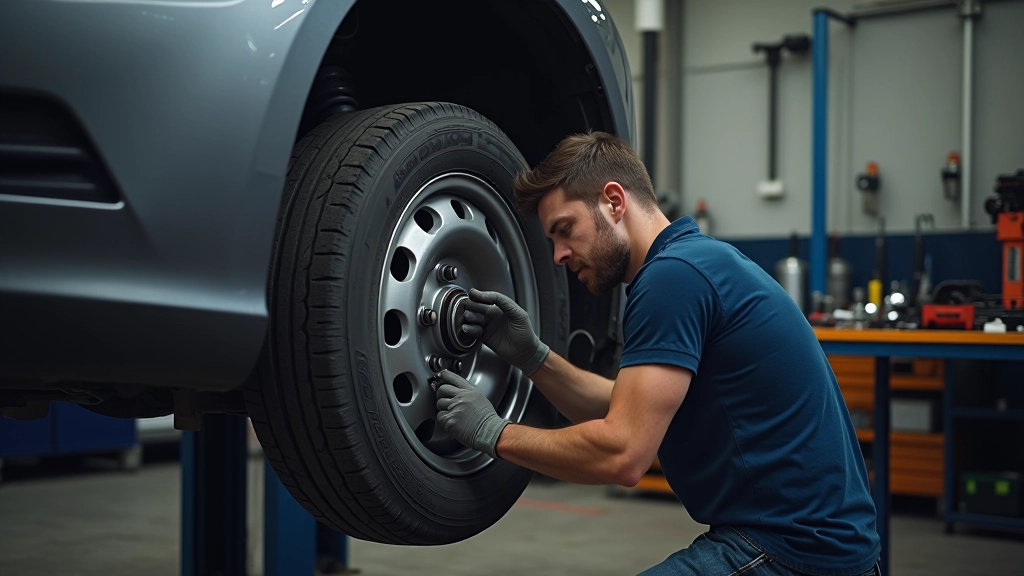
Once brake components are disconnected and suspension supported, we carefully remove the hub assembly. Then we mount it in the bearing press, set pressure to exact specifications for that bearing size, and execute the press operation with precision.
New bearings are installed following manufacturer specs. We test bearing rotation by hand, listen for noise, and verify smooth operation. Any grinding, roughness, or sound issues get caught immediately. This quick check prevents larger problems.
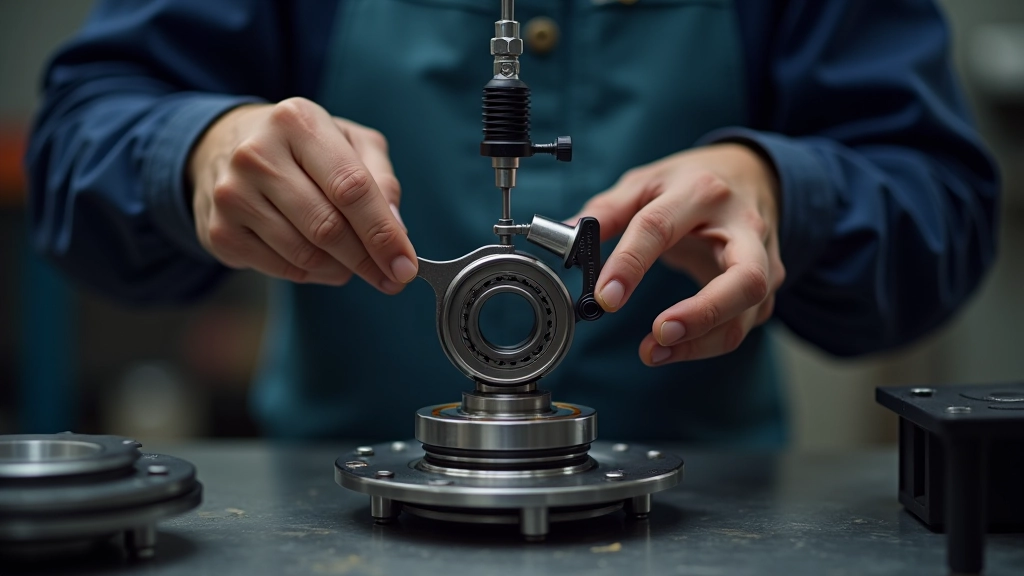
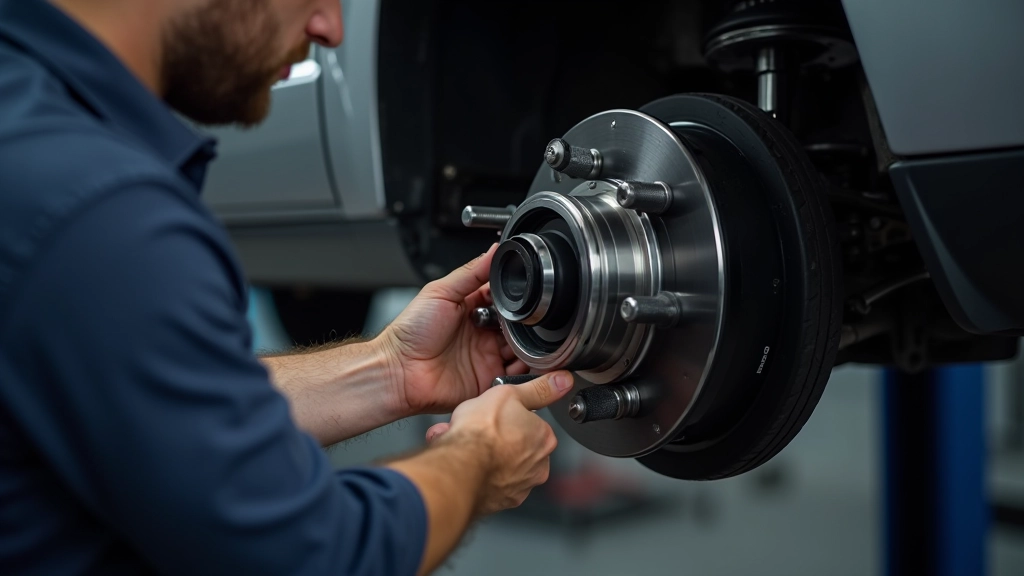
We reinstall the hub assembly, reconnect brake lines, torque everything to spec, and do a final test. The wheel spins freely, brakes respond properly, and the bearing runs smooth. We verify your work is complete and correct before you drive away.
Principles that guide how we work
Bearing replacement isn't approximate. Pressure settings, alignment, and clearance measurements must be exact. We use calibrated equipment and follow manufacturer specifications. When tolerances are tight, approximation fails.
Bearing press operations involve high pressure and heavy components. We don't take shortcuts with safety procedures. Proper guarding, correct lifting techniques, and regular equipment maintenance protect everyone in the workshop and ensure vehicle safety on the road.
We test what we install. Hand-rotation tests, sound checks, clearance measurements, and alignment verification catch problems before they become expensive roadside failures. Verification isn't optional — it's built into every job.
Vehicle engineering changes. Bearing materials improve. Press equipment evolves. We stay current with technical developments, review procedures regularly, and learn from every job. The workshop improves because we pay attention to what works and what doesn't.
Answers to what customers ask us most
Most bearing replacements take 2-4 hours depending on vehicle type and bearing condition. We need time for safe hub removal, proper bearing press setup, careful installation, and thorough verification testing. Rushing through bearing work creates problems.
Pressure varies by bearing size and type — typically between 5 and 50 tons. We determine correct pressure from manufacturer specifications for your specific bearing. Wrong pressure damages the bearing or fails to seat it properly. That's why calibration and setup matter.
Typically no. Bearing removal damages the bearing races. We don't reuse removed bearings. Fresh bearings with proper installation ensure reliability. Reusing damaged bearings creates safety risks and usually fails within months.
We use multiple verification methods. Hand rotation should be smooth without noise or grinding. Measurement tools verify clearance and alignment. Sound tests detect installation problems. Visual inspection confirms seating. We combine these checks to confirm correct installation before reassembly.
Bad installation creates immediate or early failure. The bearing may overheat, seize, or fail suddenly. This creates safety risks while driving. That's why verification testing is essential. Catching problems in the workshop prevents roadside failures and keeps you safe.
Yes. High-pressure equipment, heavy components, and precise alignment all create risks. Improper guarding, incorrect pressure, or careless handling cause injuries. We've built safety procedures into every step to protect the team and ensure quality work.
Have specific questions about your vehicle's bearing service?
Ask Our TechniciansLearn the technical details of bearing and hub assembly work
Learn how to prepare your bearing press correctly and set the right pressure for different bearing sizes without causing damage.
Read Guide
Complete guide to safely extracting hub assemblies from vehicle suspension. Covers brake disconnection, axle removal, and common mistakes to avoid.
Read Guide
How to test your work properly after bearing replacement. Includes rotation checks, sound tests, and measurement techniques for confirming correct installation.
Read GuideWe regularly publish guides on bearing press techniques, safety procedures, and installation verification methods. Get notified when new technical resources are available.
Get NotificationsWe use cookies to improve your experience on this website. By continuing to browse, you agree to our cookie policy.