novaaldex Workshop Logo Novaaldex Contact Us
Navigation
Contact Us

Wheel Bearing and Hub Assembly

Essential guides for front wheel bearing press and hub assembly replacement at our Šiauliai workshop

4 Articles
28 Min Read
All Levels

What You'll Learn

Bearing Press Techniques

Proper methods for pressing bearings without damaging internal components. We cover the tools, pressure settings, and safety precautions you need to know.

Hub Assembly Removal

Step-by-step procedures for safely removing hub assemblies from various vehicle types. Includes brake caliper disconnection and axle nut removal techniques.

Quality Control Checks

How to verify bearing installation is correct. Includes wheel rotation tests, noise detection, and measurement procedures to ensure your work meets standards.

Workshop Safety Standards

Safety protocols specific to bearing press work and hub assembly replacement. Covers equipment operation, protective gear, and hazard awareness at our Šiauliai facility.

Featured Articles

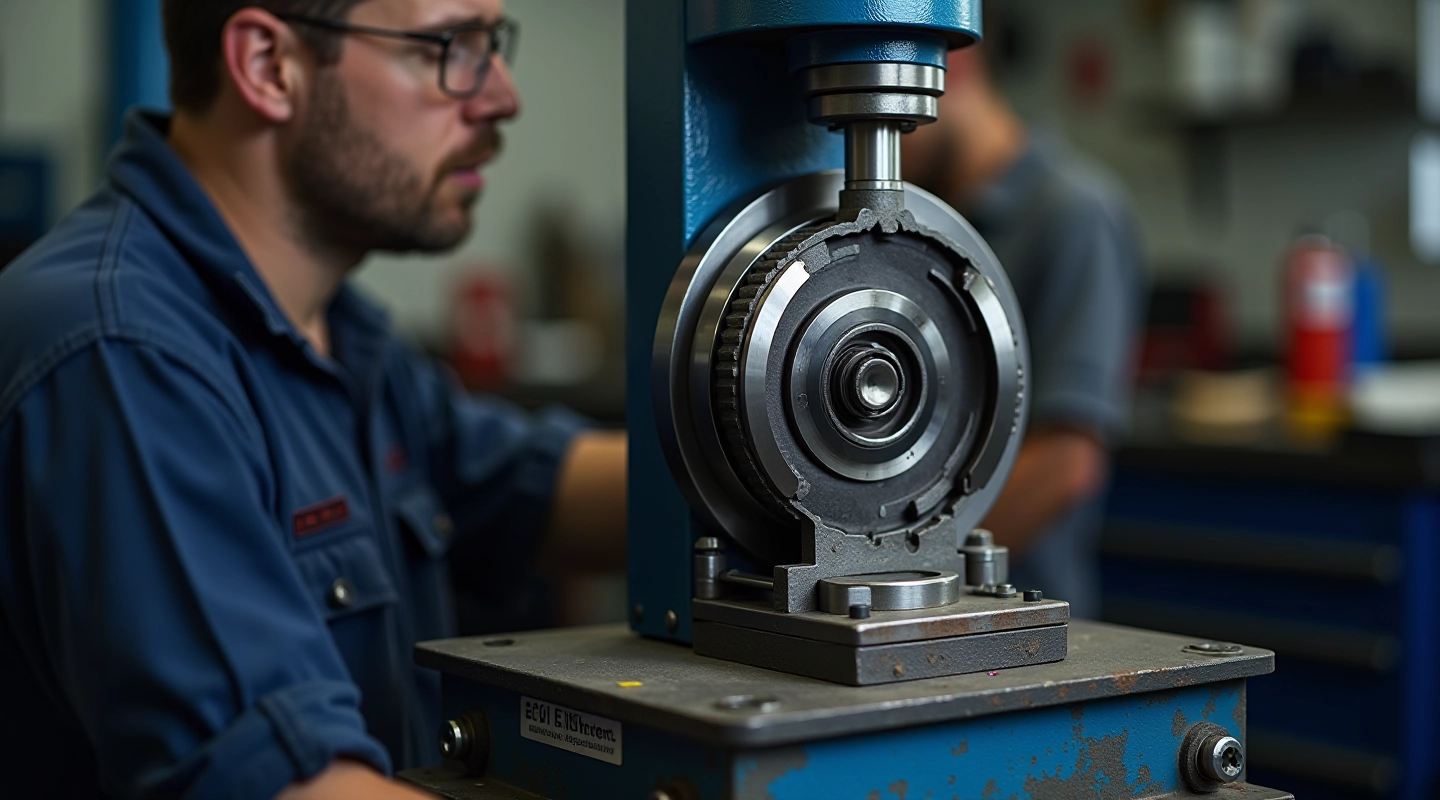
Close-up of bearing press machine with mounted hub assembly in workshop setting

Bearing Press Setup and Pressure Settings

Learn how to prepare your bearing press correctly and set the right pressure for different bearing sizes without causing damage.

7 min Intermediate July 2026
Read More
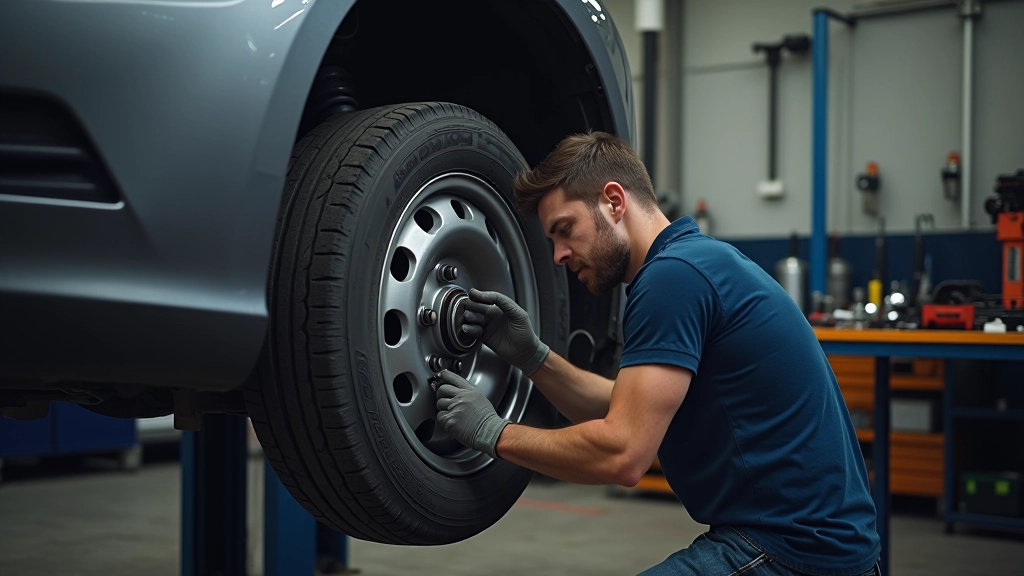
Mechanic's hands removing brake caliper from front wheel assembly during hub removal procedure

Removing Hub Assembly Without Damage

Complete guide to safely extracting hub assemblies from vehicle suspension. Covers brake disconnection, axle removal, and common mistakes to avoid.

9 min Beginner July 2026
Read More
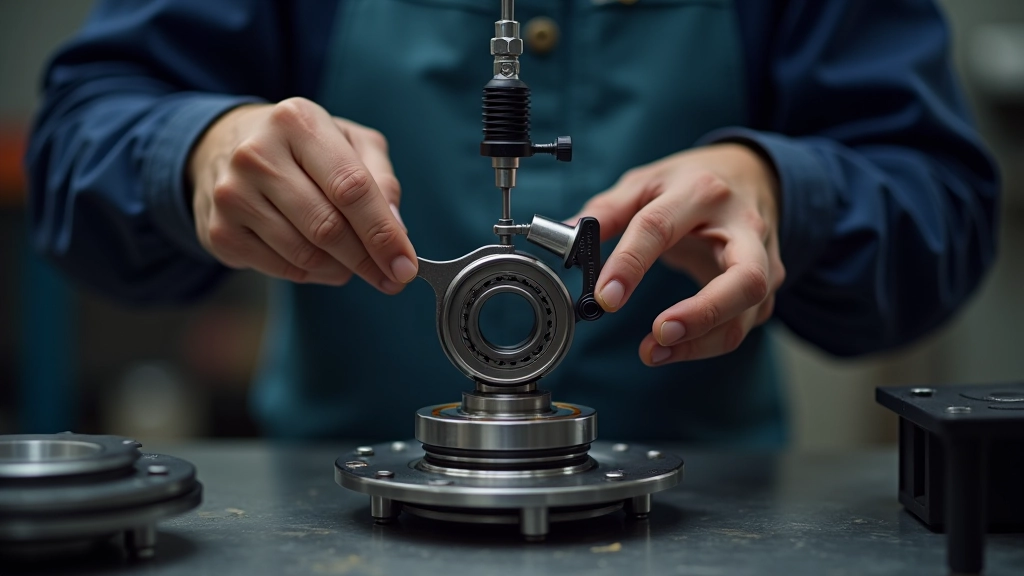
Measurement gauge being used to check installed bearing clearance and alignment on hub assembly

Verifying Bearing Installation Quality

How to test your work properly after bearing replacement. Includes rotation checks, sound tests, and measurement techniques for confirming correct installation.

6 min Intermediate July 2026
Read More
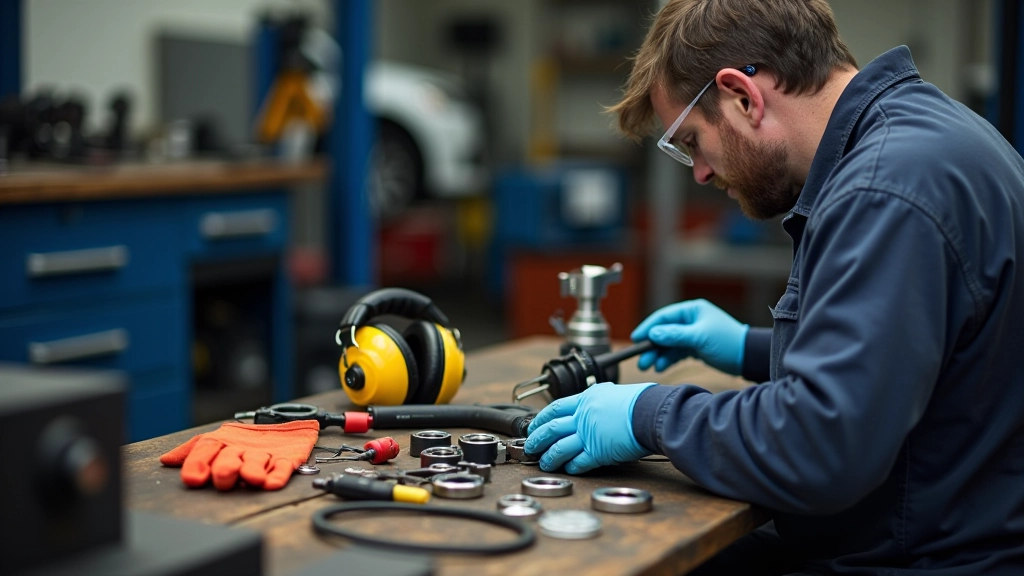
Workshop safety equipment including protective gloves, glasses, and hearing protection on workbench with bearing tools

Workshop Safety for Bearing Press Operations

Essential safety protocols for bearing press work at our Šiauliai facility. Covers protective equipment, hazard recognition, and proper equipment operation.

6 min All Levels July 2026
Read More

Common Questions

What pressure should I use when pressing a bearing onto a hub?

Bearing pressure depends on the specific bearing size and type. Most standard front wheel bearings require between 2-5 tons of pressure. It's critical to distribute pressure evenly across the bearing's inner race only — never press on the outer race or rolling elements. We recommend consulting the vehicle manufacturer's specifications and using a calibrated press with pressure gauges to ensure accuracy.

How do I know if a bearing has been installed correctly?

After installation, spin the wheel hub by hand — it should rotate smoothly without grinding sounds or resistance. The wheel should have minimal play when grabbed at the edge. Listen for any unusual noises that might indicate the bearing race isn't seated properly. You can also use a dial gauge to measure endplay — most hub assemblies should have less than 0.2mm of play. Our workshop performs these tests on every bearing replacement.

What's the difference between pressing and pulling a bearing?

Pressing applies direct force to install a bearing onto a hub shaft, while pulling uses a bearing puller tool to remove an old bearing from the hub. Installation requires a bearing press with appropriate adapters to distribute force evenly. Removal often requires a three-jaw puller or hydraulic puller to extract the old bearing without damaging the hub itself. Both operations demand precision and the right equipment — using incorrect methods can damage the hub permanently.

How often should wheel bearings be replaced?

Modern wheel bearings don't have a fixed replacement schedule — they're designed to last the vehicle's lifetime under normal conditions. However, they can fail prematurely due to impact damage, water contamination, or excessive heat. Signs of bearing wear include grinding noises, steering vibration, or loose steering feel. We recommend having bearings inspected during routine maintenance. Once you notice symptoms, replacement shouldn't be delayed as a failing bearing can affect braking and handling safety.