
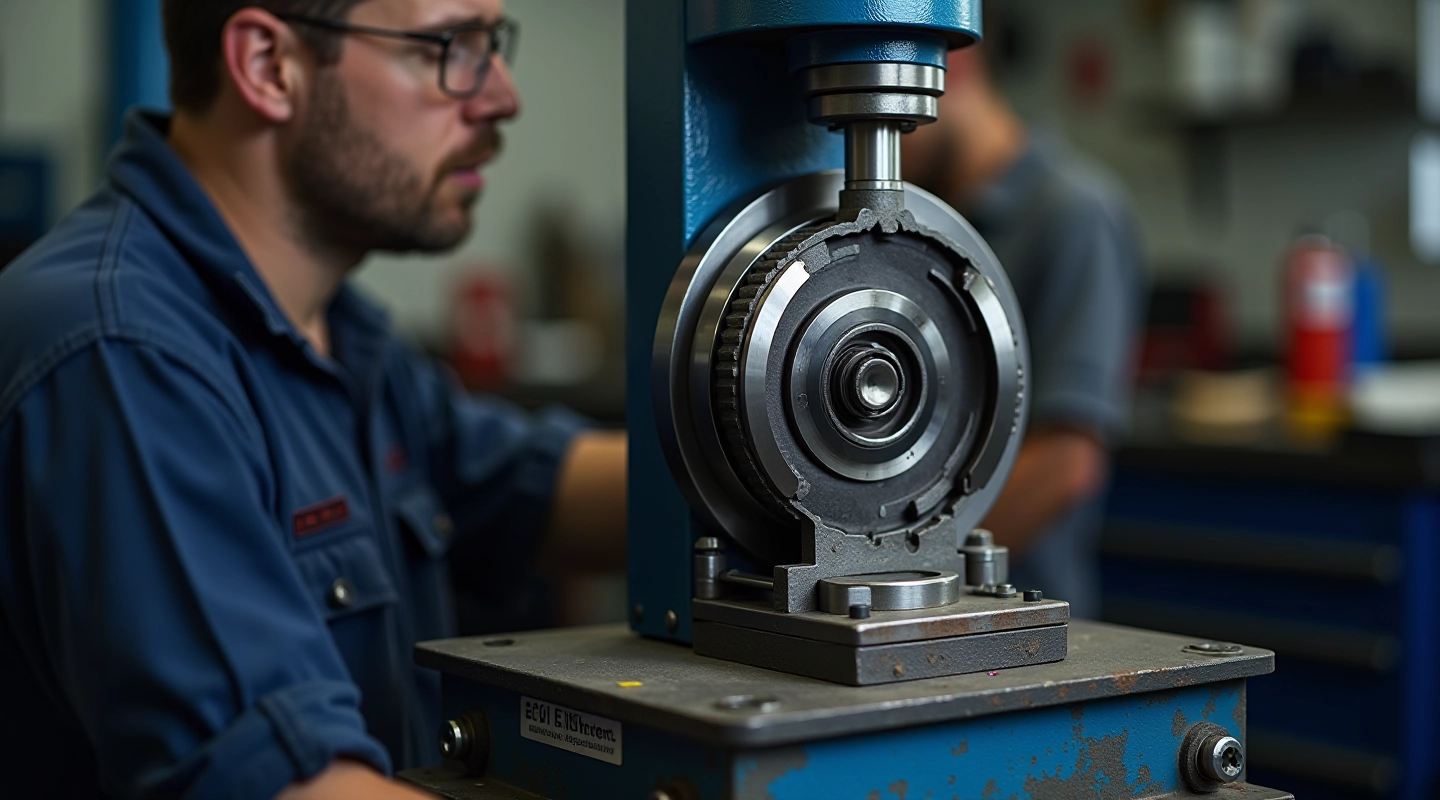
Bearing Press Setup and Pressure Settings
Learn how to prepare your bearing press correctly and set the right pressure for different bearing sizes and types. Includes calibration techniques and troubleshooting common setup issues.
Read GuideEssential protocols and best practices for safe bearing press work. Learn protective equipment requirements, hazard recognition, and proper equipment operation techniques.
Editorial Team
Written by the novaaldex editorial team, focused on clear, practical guidance for wheel bearing and hub assembly service.
Working with bearing presses isn't complicated, but it does demand respect. The equipment applies tremendous force — we're talking pressures that can reach 50+ tons. One moment of inattention or improper technique and you're looking at serious injury. That's not meant to scare you. It's just reality.
We've been doing this work at our Šiauliai facility since 2021, and safety isn't an afterthought. It's woven into how we operate every single day. Whether you're new to bearing press work or you've been doing it for years, these protocols exist for a reason — to make sure everyone goes home without injury.
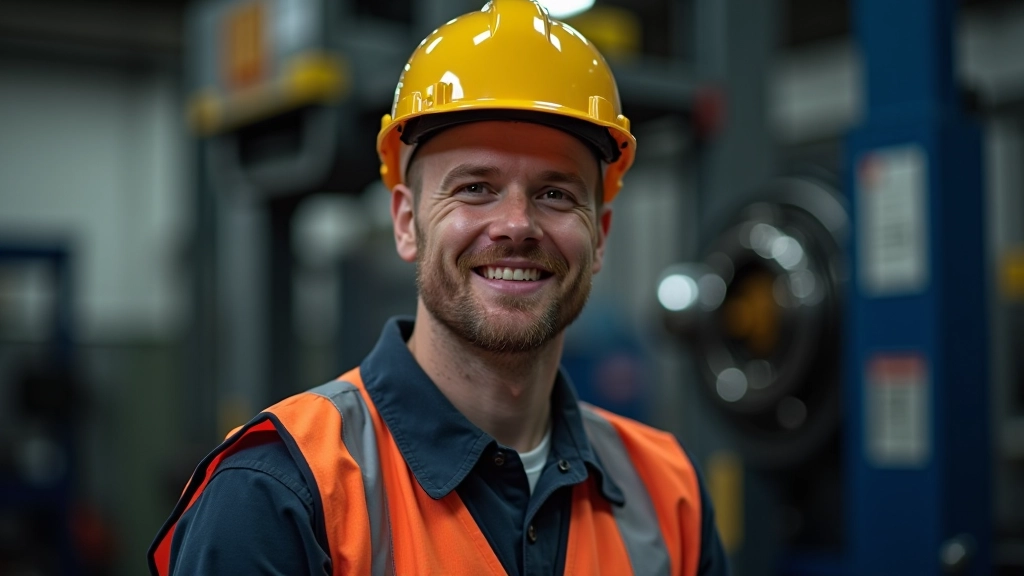
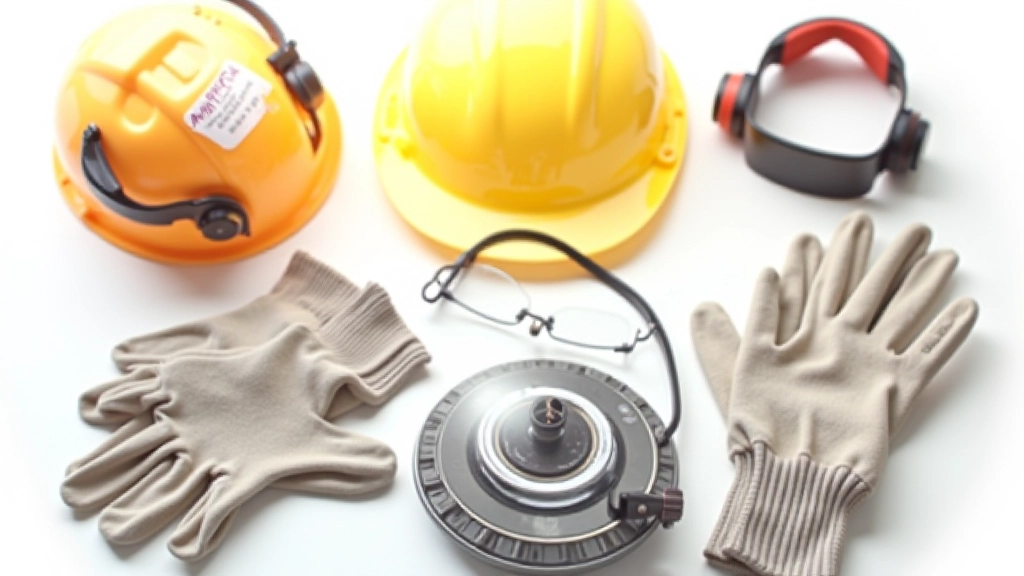
There's no shortcut with PPE. You'll need the right gear every time you approach the press, without exception. This isn't about looking the part — it's about actual protection.
Check your PPE before each shift. If your glasses have cracks, replace them. If your earplugs are lost, get new ones. Don't improvise or skip items because you're in a hurry.
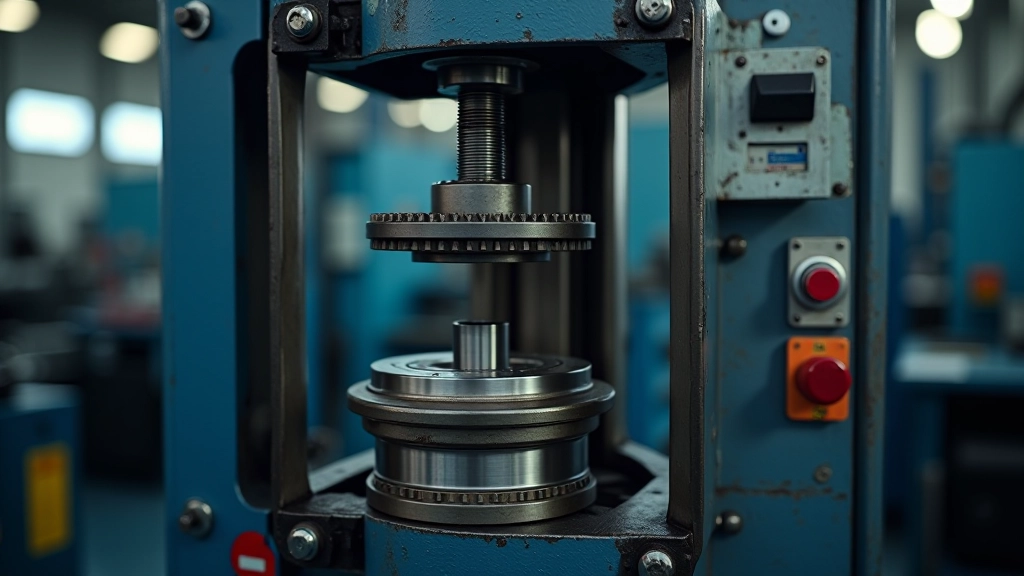
The bearing press is powerful, and it doesn't discriminate. It'll apply pressure whether you've got your hand in the way or not. You've got to think ahead and respect what the machine does.
Learn where the emergency stop button is located. Know it by touch. In an actual emergency, you won't have time to look for it.
How you set up your work directly impacts safety. There's a logical sequence, and it's worth following every time.
These steps might feel repetitive after a while. That's actually the goal. Routine builds habits, and habits keep you safe.
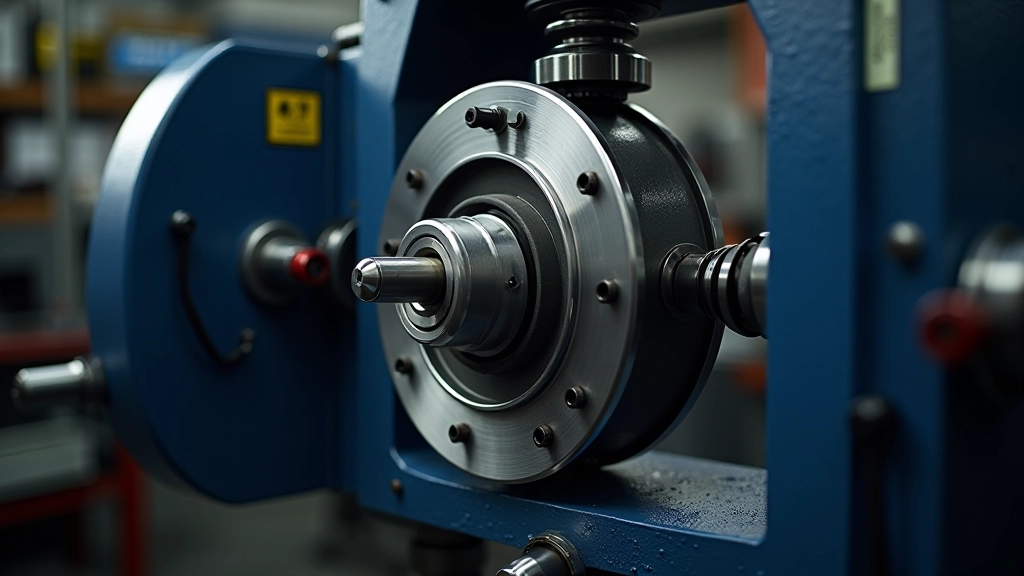
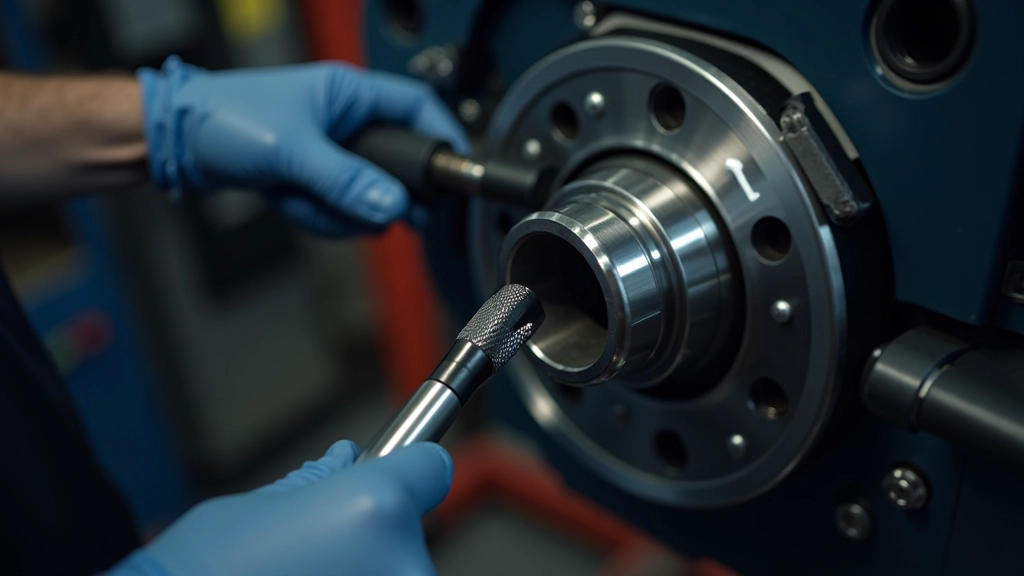
When the pressing is done, your safety responsibilities don't end. Proper shutdown and maintenance prevent accidents later and extend equipment life.
Always release pressure completely before removing any workpiece. Let hydraulic systems cool down. Don't rush. Check that dies haven't shifted or cracked during operation. Document any equipment issues you notice — a worn seal today becomes a dangerous leak tomorrow.
Clean your work area before the next person uses it. Store tools properly. Keep the press manual accessible. If something feels wrong or unusual during operation, stop immediately. You've got good instincts — trust them. Better to pause and investigate than to push forward and risk damage or injury.
Bearing press operations aren't inherently dangerous. They're safe when approached with attention and respect. You're working with real forces that demand real caution. Wear your PPE. Know your equipment. Stay focused. Watch out for your teammates. Report hazards when you see them.
At our Šiauliai workshop, we've built a culture where safety isn't just a rule — it's how we do business. Every person who walks through that door goes home healthy. That's what matters.
Want to learn more about bearing press techniques and best practices?
Read: Bearing Press Setup and Pressure SettingsContinue learning about bearing and hub assembly work
Learn how to prepare your bearing press correctly and set the right pressure for different bearing sizes and types. Includes calibration techniques and troubleshooting common setup issues.
Read Guide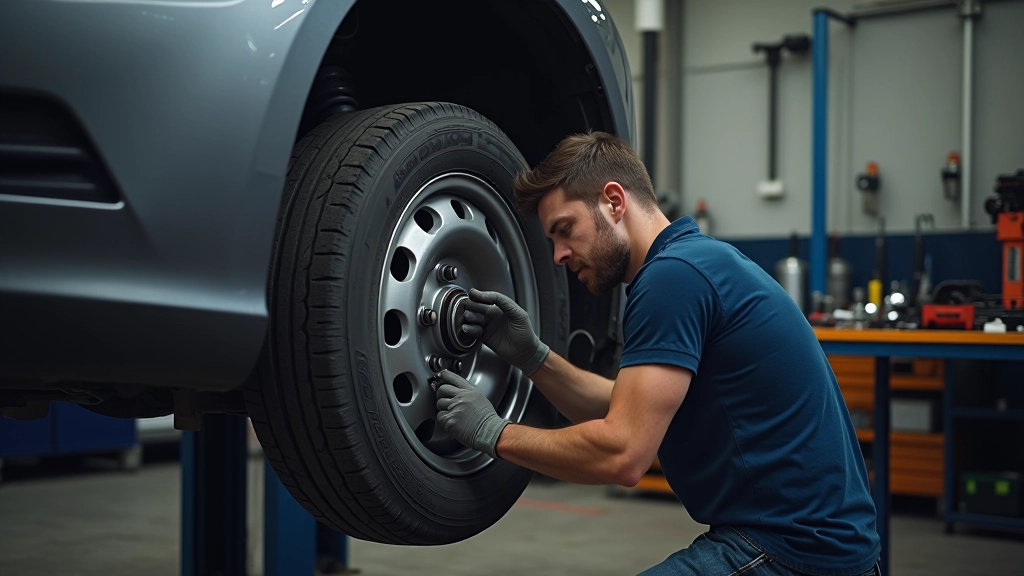
Complete guide to safely extracting hub assemblies from vehicle suspension. Covers removal techniques, tool selection, and how to avoid damaging internal bearings during extraction.
Read Guide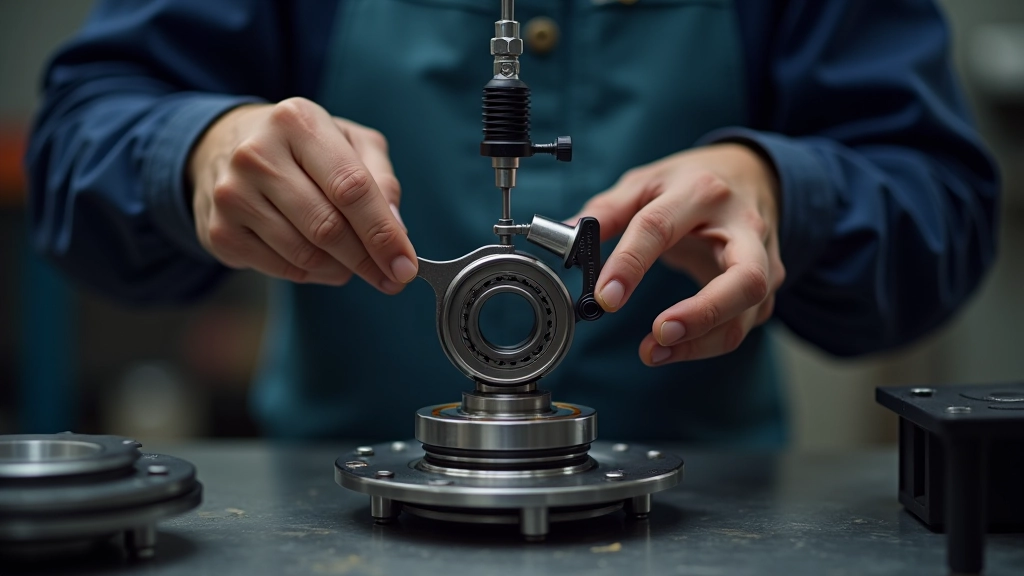
How to test your work properly after bearing replacement. Includes rotation checks, play measurement, and quality verification methods to ensure your installation meets specifications.
Read Guide