
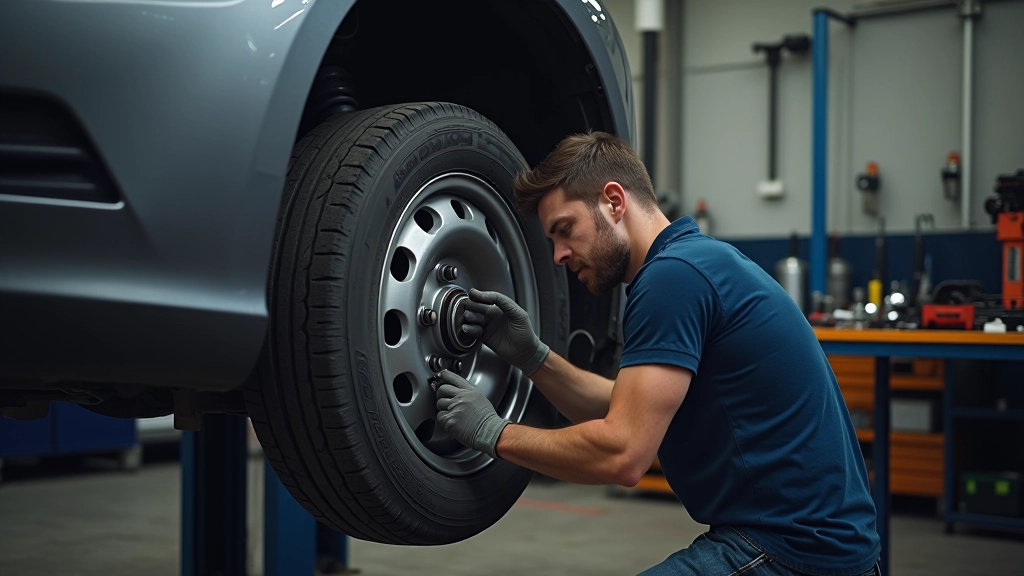
Removing Hub Assembly Without Damage
Complete guide to safely extracting hub assemblies from vehicle suspension. Covers removal techniques, tool selection, and common complications.
Learn how to prepare your bearing press correctly and set the right pressure for different bearing sizes without causing damage.
Editorial Team
Written by the novaaldex editorial team, focused on clear, practical guidance for wheel bearing and hub assembly service.
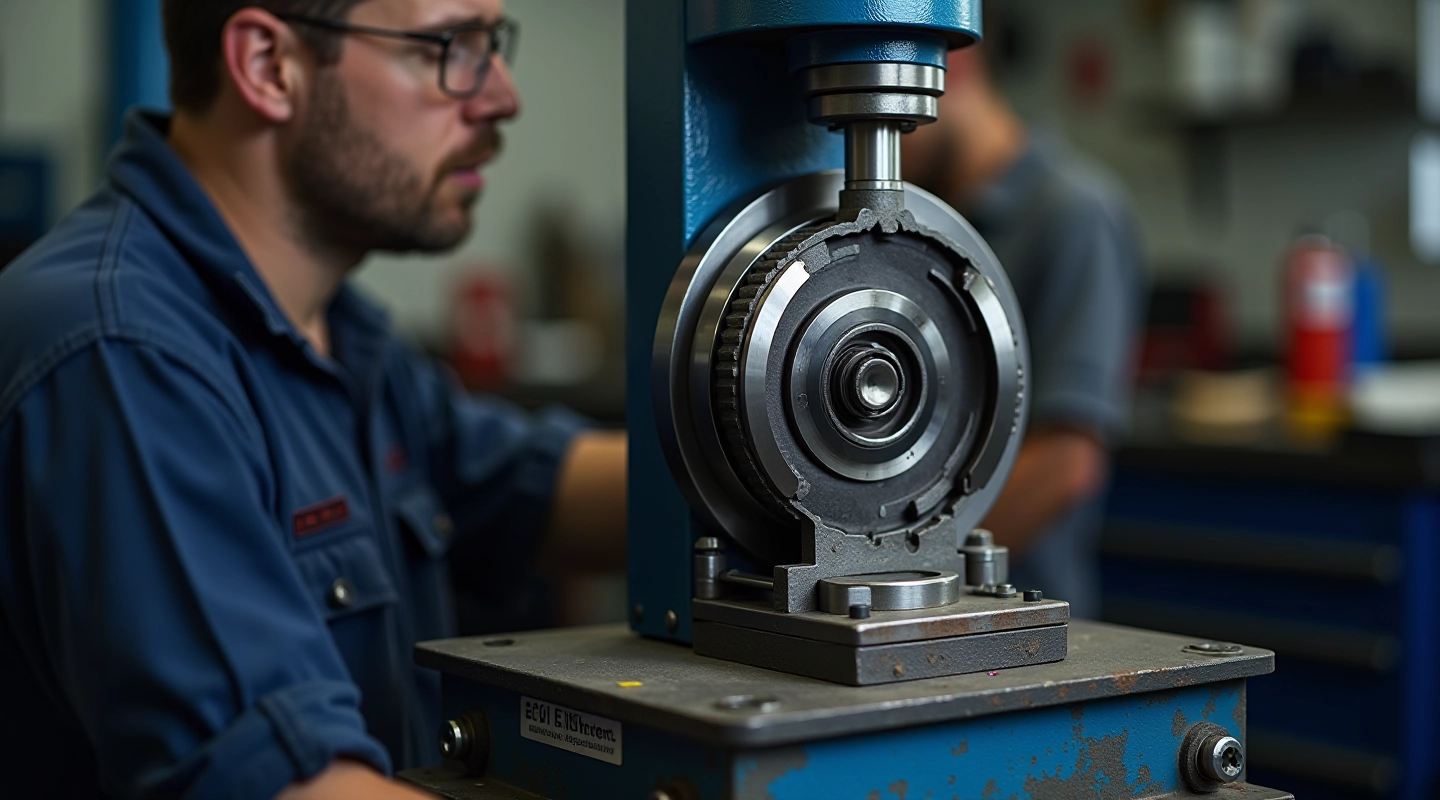
Getting your bearing press setup right is crucial. It's not just about applying force — it's about applying the right force, in the right way, at the right spot. Most damage happens when people skip the preparation steps or guess at pressure settings.
A proper bearing press has several key components working together. The main hydraulic pump, the pressure gauge, the mounting plates, and the safety release valve. Each one matters. You'll want to inspect all of these before you start any job.
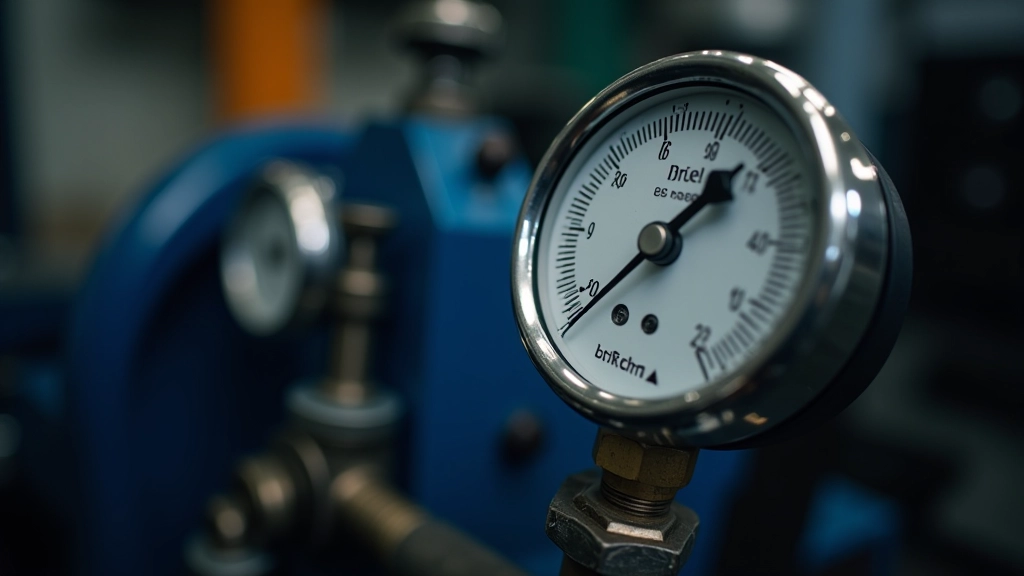
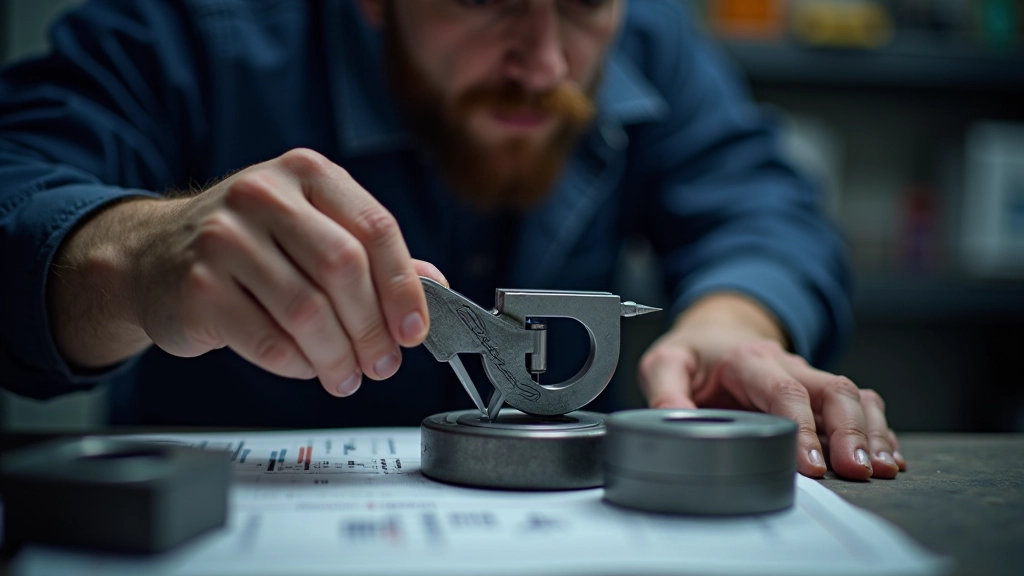
Pressure settings aren't one-size-fits-all. Different bearing sizes need different pressures. That's where most people get stuck. They apply the same pressure to a small bearing that they use for a large one, and something breaks.
Here's the practical approach: start with the bearing manufacturer's specifications. Most reputable bearing makers provide pressure charts with their products. These aren't just suggestions — they're the result of engineering and testing.
Always start 10-15% below the recommended maximum. You can increase pressure gradually if needed. You can't undo a cracked bearing.
This guide provides educational information about bearing press operation. Pressure settings can vary significantly based on bearing type, material, manufacturer specifications, and specific application. Always consult the bearing manufacturer's documentation for your specific parts. Improper pressure settings can damage bearings and compromise vehicle safety. If you're unsure about pressure settings, consult with an experienced technician or the bearing supplier.
Don't just slam the press to full pressure. That's a guaranteed way to crack something. You've got to build up pressure gradually, watching the bearing move into position smoothly. It should be a controlled motion, not a sudden shock.
Here's the step-by-step approach most experienced technicians use:
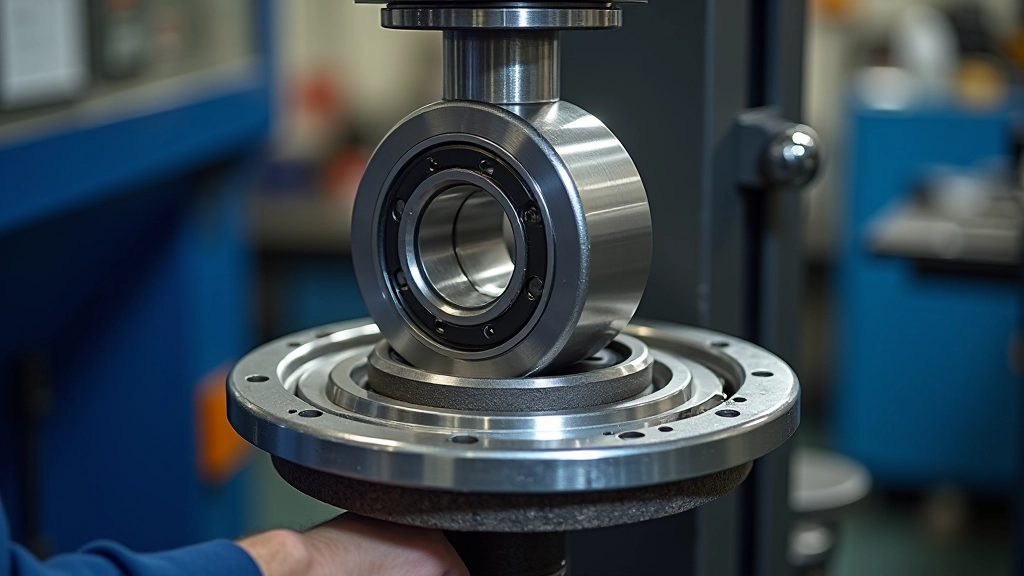
Having the right accessories makes pressure control easier and safer. Don't skimp on these — they're not luxuries, they're necessities.
Accurate gauge reading is everything. A cheap gauge gives you false confidence. Invest in one that's calibrated and verified.
Different bearing sizes need different plate configurations. You'll want a set that covers the range of bearings you work with regularly.
This prevents over-pressurization and protects both you and the bearing. Make sure it's properly adjusted and functional.
Use the correct grade and keep it clean. Contaminated fluid affects pressure consistency and can damage the press.
Centering guides and alignment indicators help ensure the bearing goes in straight, reducing side loading.
Keep pressure charts and bearing specifications accessible. Reference them every time — don't rely on memory.
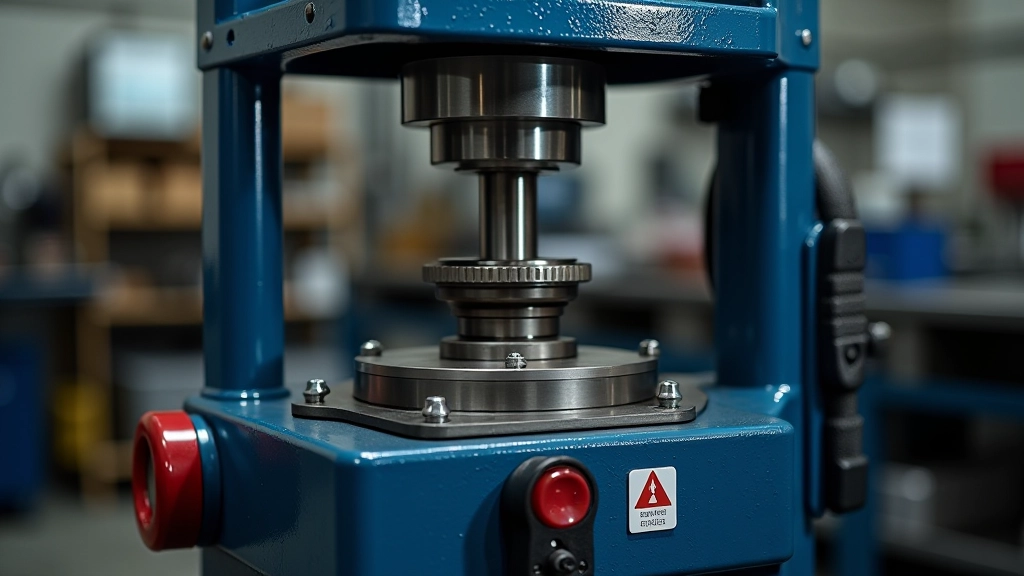
A bearing press is powerful equipment. Respect that. Things can go wrong quickly if you're not careful. Most accidents happen when someone's rushing or distracted.
Before you apply any pressure, make sure nothing's in the way. No fingers, no tools, no loose clothing near the press area. Keep your hands clear of the pressure zone. If the bearing shifts or something sounds wrong, stop immediately and release the pressure.
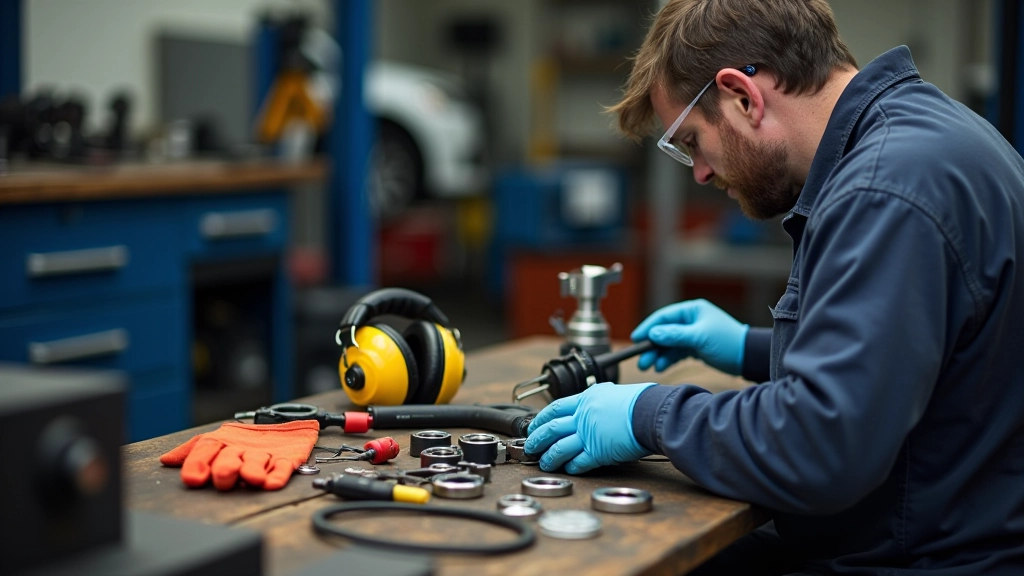
Always wear safety glasses. Hydraulic fluid can spray if a line fails, and bearing fragments can become projectiles if something cracks. It's not dramatic most of the time, but when it is, you'll be glad you were protected.
Bearing press setup isn't complicated, but it does require attention to detail. You're dealing with precision components that cost real money. Get the pressure settings right, apply them gradually, and monitor the whole process. That's it.
The extra few minutes you spend verifying pressure settings and checking alignment will save you from bearing damage, wasted parts, and frustrated customers. It's worth the time. Every time.
Complete guide to safely extracting hub assemblies from vehicle suspension. Covers removal techniques, tool selection, and common complications.
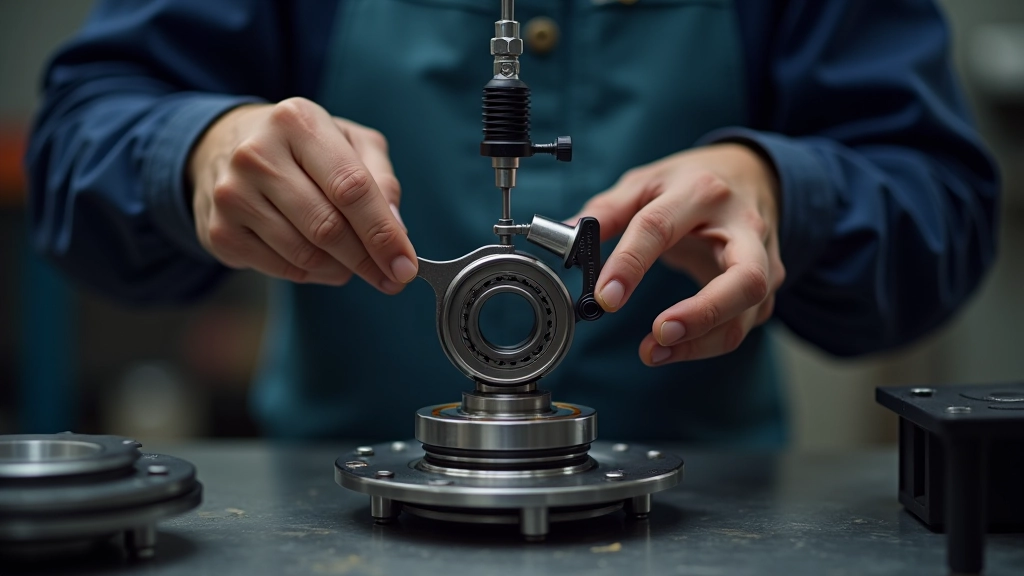
How to test your work properly after bearing replacement. Includes rotation checks, runout measurement, and noise diagnostics.
Essential safety protocols for bearing press work at our Šiauliai facility. Covers equipment inspection, hazard identification, and emergency procedures.